

Improving Zirconia Cementation with Pre-Sinter Retention Grooves
Zirconia crowns are strong, biocompatible, and long-lasting. But one major challenge remains: zirconia is difficult to bond. Unlike glass-ceramics, it can’t be etched with acid, and once sintered, its surface is too hard to easily roughen for cement adhesion.
This makes cementation a potential weak point, especially when prep retention is limited. Even with primers and resin cements, bonding alone may not be enough.
A simple, effective solution is to add retention grooves to the intaglio surface during the pre-sintered stage. While zirconia is still soft, these grooves can be easily milled in. They boost surface area and create mechanical undercuts that lock in cement. After sintering, they become a permanent part of the crown.
For clinicians, this adds security in cases with short preps or minimal taper, reduces the need for aggressive intraoral prep, and lowers the risk of debonding. It’s a small step that makes a big difference in zirconia success.

Alumina-Stabilized Zirconia: Strength and Esthetics Without the Trade-Off
Traditionally, clinicians had to choose between strong, low-yttria zirconia for the posterior and more translucent, high-yttria zirconia for the anterior. This often meant juggling multiple materials with different prep guidelines, handling, and shade behavior.
Alumina-stabilized zirconia changes that. By adding a small amount of alumina, this material improves translucency while keeping the high strength of a 3Y zirconia. The result is a more versatile option that works well across the entire arch.
Dentists can confidently place strong anterior crowns that still look natural and deliver esthetic posterior restorations without sacrificing durability. It also means better shade matching, fewer variables to manage, and more consistent outcomes for patients.
Opaquing Liquids: A Simple Fix for Dark Stumps and Metal Posts
Zirconia crowns are strong and esthetic, but they can struggle to hide dark tooth stumps, metal posts, or titanium bases. Even with high-opacity zirconia, discoloration can show through—especially near the gumline.
Opaquing liquids offer a reliable solution. Applied to the inside of the crown before sintering, these liquids fuse into the zirconia and create a built-in masking layer. Pre-sinter opaquing liquids block out dark tones without affecting the natural look of the outer surface.
For clinicians, this means more consistent esthetics, less prep reduction, and no need for extra ceramic layering. It simplifies difficult cases and helps deliver a clean, lifelike final result every time.
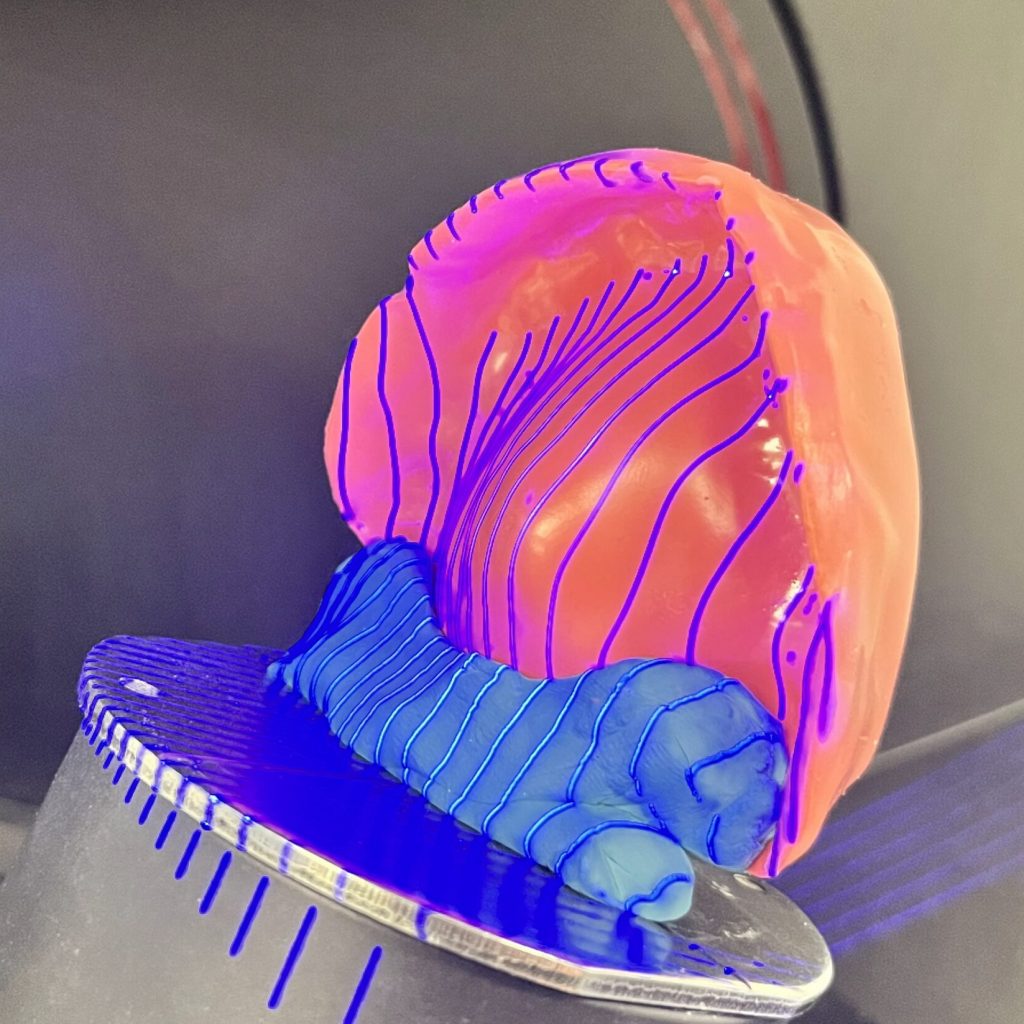
Pictured here is a rejected part with insufficient coverage, showing the sharp contrast between the translucent zirconia and opaque layer.