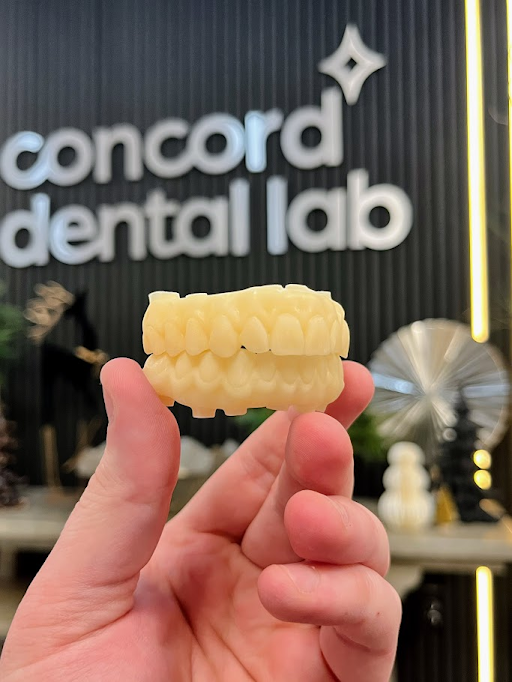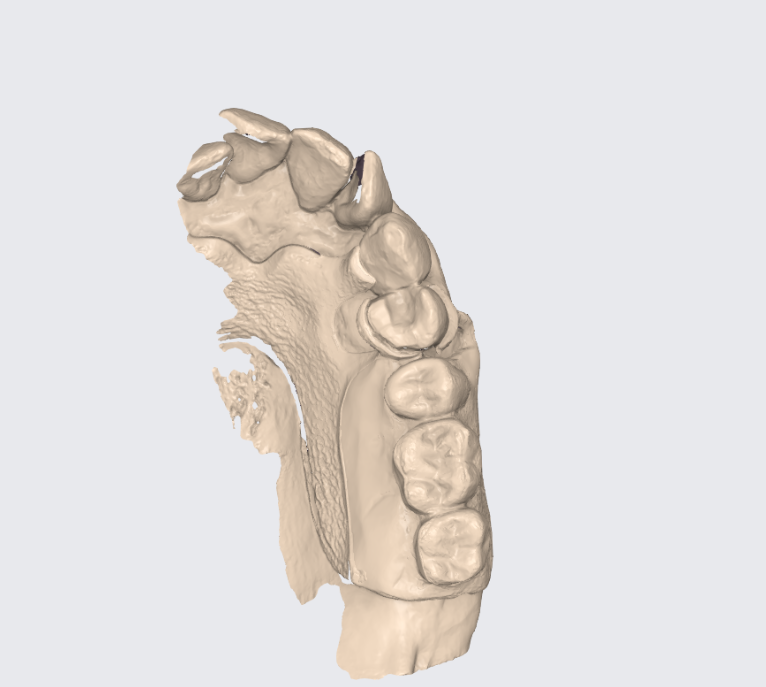


When an issue like an open contact or an unexpected fit problem arises, finding the source can often feel like detective work. That’s what makes scan overlay and discrepancy mapping such an powerful tool in digital dentistry.
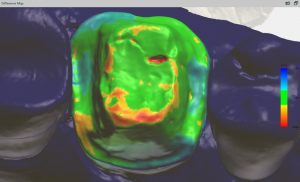
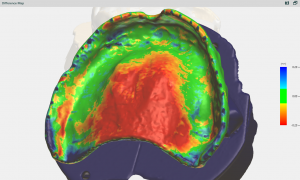
Using what’s known as a “heat” or “difference map,” two digital scans can be superimposed to calculate dimensional changes between them. This process generates a visual map where color gradients—referenced against a millimeter scale—highlight areas of discrepancy, allowing clinicians and labs to pinpoint exactly where and how things have shifted.
For example, by comparing a scan from the original part or record with one taken after an issue is discovered, we can isolate whether the change stems from:
-
Impression distortion
-
Manufacturing inaccuracies
-
Drift due to provisional restorations or occlusal loading
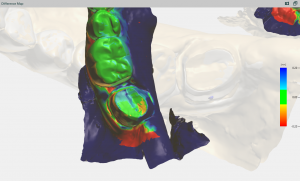
These methods of identifying discrepancy so precisely enables data-driven feedback. This empowers clinicians to optimize their techniques, avoid repeat issues, and ensure more predictable outcomes. When everything goes smoothly, almost any lab will do. But when something goes wrong (like a contact issue, an open margin, or unexplained fit problem) you want a partner who can do more than just remake the case. You want a lab that can help you understand why it happened in the first place.